
Vehicle Exhaust Removal Systems for Fire Stations & Fleet Garages in Ontario
Indoor air quality is a serious concern for fire stations, EMS facilities, fleet garages, municipal buildings, maintenance shops, and industrial vehicle service areas. When diesel-powered vehicles, emergency apparatus, buses, trucks, generators, or heavy equipment operate indoors, exhaust emissions can quickly affect the safety and comfort of the facility.
For many Ontario facilities, vehicle exhaust is not just a ventilation issue. It is a worker safety issue, a building design issue, and a long-term operational risk. That is why properly designed vehicle exhaust removal systems are becoming an important part of modern mechanical and ventilation planning.
At Windfields Mechanical Group Inc., we support commercial, industrial, institutional, and municipal facilities with engineered ventilation and source-capture air quality solutions. From system design and equipment selection to installation and service support, the goal is simple: help facilities create cleaner, safer, and better-performing indoor environments.
What Is a Vehicle Exhaust Removal System?
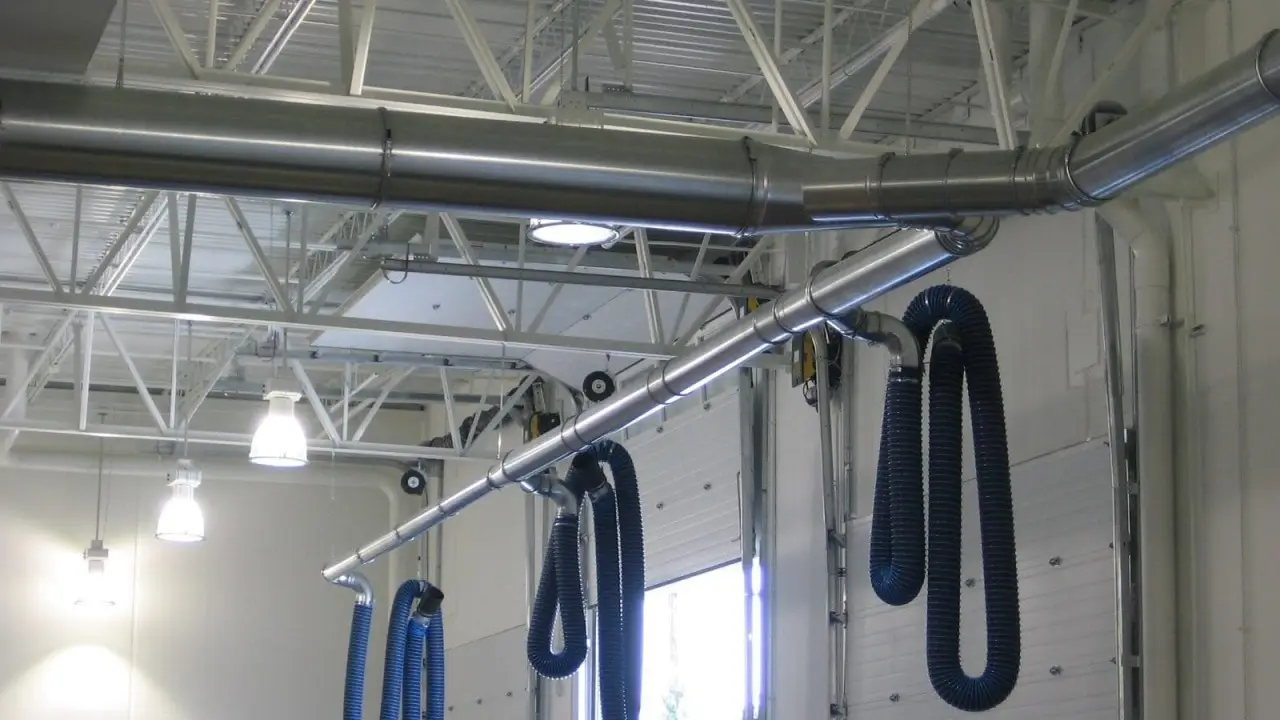
A vehicle exhaust removal system is a specialized ventilation solution designed to capture exhaust emissions directly from the vehicle source and move them safely out of the building. Instead of allowing fumes to spread through the apparatus bay, garage, workshop, or service area, the system captures contaminants close to where they are produced.
These systems are commonly used in:
- Fire stations and emergency response facilities
- EMS and ambulance bays
- Fleet maintenance garages
- Municipal public works facilities
- Bus and transit maintenance shops
- Truck service centres
- Heavy equipment repair facilities
- Industrial buildings with indoor vehicle operation
- Facilities with stationary generators or diesel-powered equipment
The main purpose is to reduce exposure to vehicle exhaust emissions before they spread into occupied areas, workspaces, offices, storage rooms, or living quarters.
Why Diesel Exhaust Is a Concern Indoors
Diesel exhaust contains a complex mixture of gases and fine particles. In a closed or semi-closed indoor environment, these contaminants can remain in the air and move through the building if they are not properly captured and exhausted.
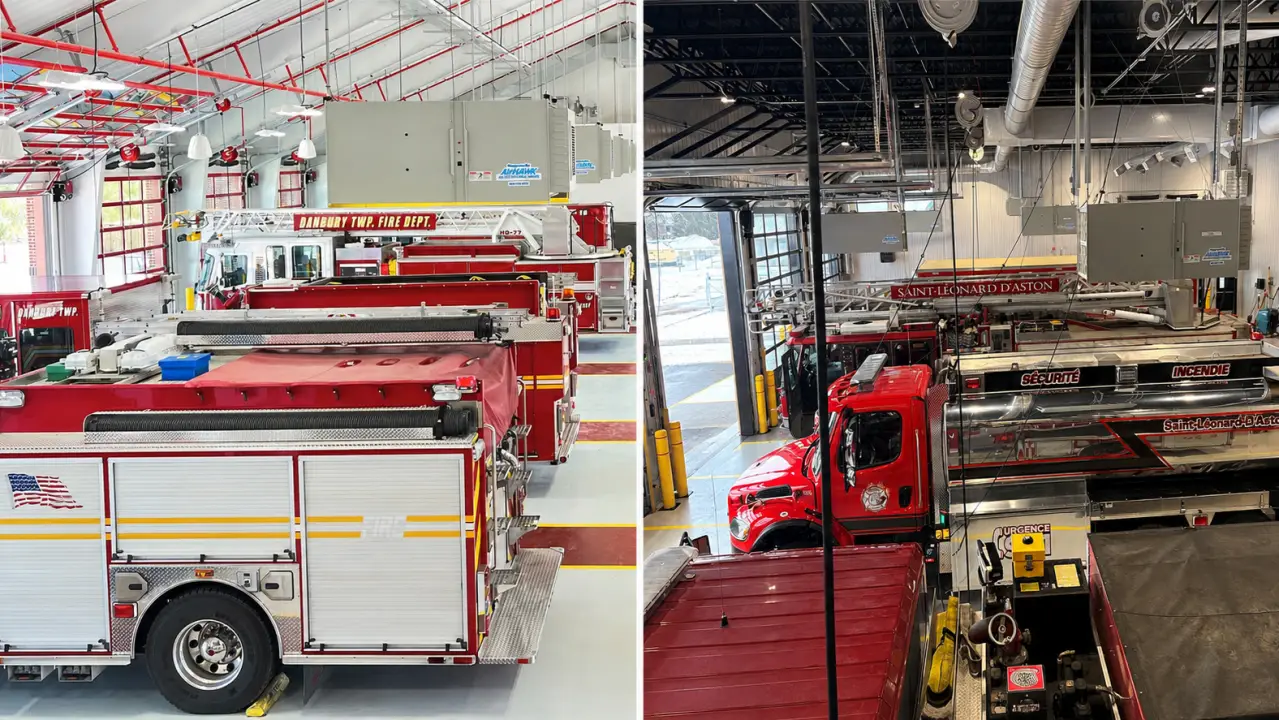
In fire stations, this problem can be especially serious because vehicles may start, idle, depart, and return multiple times throughout a shift. If the exhaust is not captured at the source, fumes can enter the apparatus bay and may travel toward offices, locker rooms, sleeping areas, and other occupied spaces.
In fleet garages and maintenance shops, technicians may be exposed when vehicles are started for testing, moved inside the building, warmed up, inspected, or repaired. Over time, poor exhaust control can affect indoor air quality, worker comfort, and overall facility safety.
Source Capture: A Smarter Way to Control Exhaust
General ventilation is important, but it may not always be enough to control exhaust emissions effectively. Once fumes spread across a large indoor area, they become harder to remove. Source capture is different because it focuses on capturing exhaust as close to the source as possible.
A well-designed source-capture system can help:
- Capture exhaust before it spreads through the building
- Support cleaner air in work areas and occupied spaces
- Improve comfort for staff, technicians, firefighters, and operators
- Reduce contaminant buildup inside the facility
- Support better ventilation performance
- Improve long-term facility safety planning
For facilities where vehicles operate indoors, source capture should be considered during new construction, renovation, retrofit planning, and mechanical system upgrades.
Vehicle Exhaust Removal for Fire Stations
Fire stations need fast, reliable, and easy-to-use exhaust removal solutions. Emergency response teams cannot waste time with complicated systems. The system must support daily operations while helping protect firefighters and station personnel from unnecessary exposure.
A fire station exhaust removal system should be designed around the station layout, bay configuration, apparatus type, tailpipe location, vehicle movement, ceiling height, airflow requirements, and operational needs.
Common Fire Station Applications
- Drive-through apparatus bays
- Back-in apparatus bays
- Multi-vehicle bays
- Ambulance and EMS bays
- Stations with vertical stack exhaust vehicles
- Stations with limited ceiling or bay space
- New fire hall construction projects
- Existing fire station retrofit projects
The right system should be easy for crews to use, reliable during emergency response, and properly coordinated with the building’s mechanical and ventilation design.
Vehicle Exhaust Removal for Fleet Garages and Maintenance Facilities
Fleet garages and maintenance shops have different needs than fire stations. Vehicles may remain indoors for longer periods, technicians may work around running engines, and the building may need to support multiple vehicle types and service activities.
A properly designed exhaust removal system can support a safer and more efficient maintenance environment for:
- Municipal fleets
- Commercial truck fleets
- School bus fleets
- Transit and tour bus facilities
- Construction equipment maintenance shops
- Industrial vehicle service areas
- Heavy equipment garages
- Utility and public works facilities
For these facilities, the system must be selected based on vehicle size, exhaust pipe configuration, bay layout, operating schedule, hose reach, airflow demand, duct routing, fan sizing, and future expansion needs.
Important Design Factors for Exhaust Removal Systems
A vehicle exhaust removal system should not be selected only by looking at product type. Every building has different airflow requirements, mechanical constraints, vehicle movement patterns, and installation challenges. Proper engineering and coordination are essential.
1. Facility Layout
The system design should match the building layout. A fire station with drive-through bays may need a different approach than a maintenance garage with fixed service bays. Ceiling height, door locations, equipment clearance, and vehicle path all affect the final design.
2. Vehicle Type and Exhaust Location
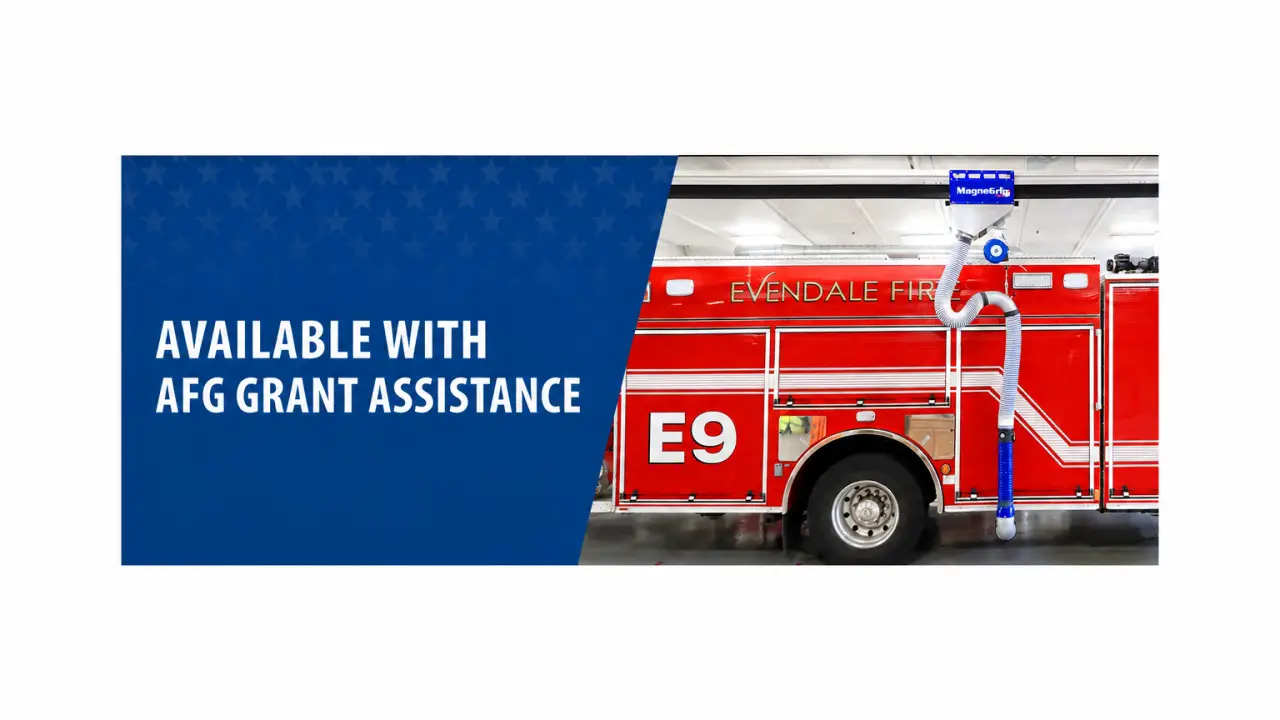
Different vehicles have different exhaust configurations. Some vehicles have rear tailpipes, while others may use vertical stack exhaust. The selected system should match the vehicle fleet and allow practical daily use.
3. Airflow and Static Pressure
Airflow design is one of the most important parts of exhaust removal. The system must have enough airflow to capture emissions effectively while also considering static pressure, duct length, fittings, fan performance, and system balance.
4. Ductwork Design
Industrial ductwork should be planned carefully to support performance and durability. Poor duct design can reduce airflow, increase energy use, create noise, and affect capture efficiency.
5. System Usability
The best system is one that workers will actually use. If a system is difficult, slow, or inconvenient, it may not support daily operations properly. Ease of use should always be part of the design discussion.
6. Integration with Building HVAC
Vehicle exhaust extraction should be coordinated with the building’s HVAC and ventilation systems. This helps avoid airflow conflicts, pressure issues, and poor system performance.
7. Compliance and Safety Goals
Facilities should consider applicable safety standards, building requirements, and indoor air quality goals. A well-designed system supports safer operations and helps reduce project risk.
Benefits of a Proper Vehicle Exhaust Removal System
Investing in a high-quality exhaust removal system can provide long-term value for facility owners, municipalities, contractors, engineers, and building operators.
- Cleaner indoor air: Helps reduce exhaust fumes and airborne contaminants inside the facility.
- Better worker protection: Supports a safer environment for firefighters, mechanics, technicians, and staff.
- Improved building conditions: Helps limit soot, odour, and contaminant migration.
- More efficient operations: A well-planned system can support daily workflows without slowing teams down.
- Professional facility image: Clean air systems show a commitment to safety and quality.
- Long-term risk reduction: Proper exhaust control can help reduce exposure concerns and operational liability.
Why Work with an Engineered Ventilation Specialist?
Vehicle exhaust extraction is not just about installing a hose and fan. It requires proper system planning, airflow calculation, equipment selection, duct routing, installation coordination, and performance-focused design.
Working with an experienced ventilation specialist helps ensure the system is suitable for the facility, vehicle fleet, and operational requirements. This is especially important for fire stations, EMS buildings, municipal garages, industrial facilities, and commercial maintenance shops where system reliability matters every day.
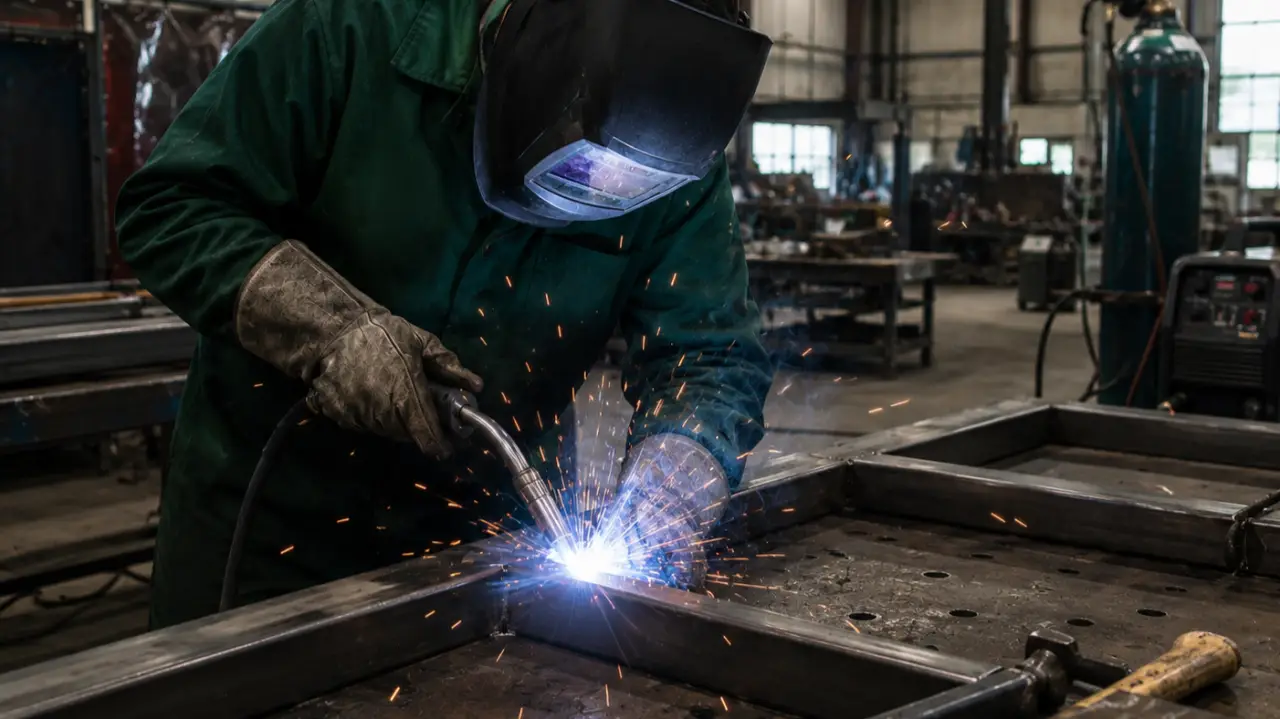
Windfields Mechanical Group Inc. provides support for engineered ventilation, vehicle exhaust extraction, welding fume extraction, air cleaning and filtration, custom industrial ductwork, and HVAC ventilation integration. Our approach focuses on practical system design, effective contaminant capture, efficient airflow performance, and reliable installation support.
When Should a Facility Consider an Exhaust Removal Upgrade?
A facility should consider a vehicle exhaust removal system or system upgrade if any of the following issues are present:
- Diesel smell inside the building after vehicles start or return
- Soot buildup near apparatus bays or garage areas
- Staff complaints about fumes or poor air quality
- Vehicles idling indoors during testing or maintenance
- Older exhaust extraction equipment that no longer performs well
- Facility expansion or new vehicle additions
- New fire station, EMS facility, or fleet garage construction
- Renovation or mechanical system upgrade planning
Addressing these problems early can help improve indoor air quality and prevent more complex issues later.
New Construction vs. Retrofit Projects
Vehicle exhaust removal systems can be planned for both new buildings and existing facilities. In new construction, the system can be coordinated early with mechanical, architectural, structural, and electrical requirements. This usually creates a smoother installation process and better final performance.
Retrofit projects require careful review of existing conditions. The team must consider available space, existing duct routes, roof penetrations, structural limitations, vehicle positions, and current ventilation systems. Even older buildings can often be upgraded with the right design approach.
Industries That Benefit from Vehicle Exhaust Removal
Vehicle exhaust control is valuable for many sectors across Ontario. Common applications include:
- Fire and emergency services
- Paramedic and EMS operations
- Municipal public works departments
- Transit authorities
- School bus operators
- Commercial fleet operators
- Industrial maintenance facilities
- Construction and heavy equipment companies
- Utility service facilities
- Automotive and truck repair shops
Any facility that starts, idles, tests, services, or stores diesel-powered vehicles indoors should evaluate its exhaust control strategy.
Final Thoughts
Vehicle exhaust removal systems play an important role in protecting indoor air quality in fire stations, EMS facilities, fleet garages, maintenance shops, and industrial buildings. When exhaust is captured at the source, facilities can reduce contaminant spread, improve working conditions, and support a cleaner, safer environment.
For Ontario facility owners, engineers, contractors, and municipal teams, the best results come from proper planning. The right system should match the building layout, vehicle type, airflow requirements, ductwork design, and daily operations.
If your facility is planning a new build, retrofit, or ventilation upgrade, Windfields Mechanical Group Inc. can help you evaluate the right vehicle exhaust extraction solution for your project.
Need a Vehicle Exhaust Removal System in Ontario?
Windfields Mechanical Group Inc. provides engineered ventilation and source-capture air quality solutions for commercial, industrial, institutional, and municipal facilities across Ontario. Our team can support system design, equipment selection, installation coordination, and lifecycle service for vehicle exhaust extraction projects.
Contact Windfields Mechanical Group Inc. today to discuss your fire station, EMS facility, fleet garage, or maintenance shop ventilation project.
Frequently Asked Questions
What is the purpose of a vehicle exhaust removal system?
The purpose of a vehicle exhaust removal system is to capture exhaust emissions from vehicles operating indoors and remove them from the building before fumes spread into occupied or work areas.
Where are vehicle exhaust extraction systems commonly used?
They are commonly used in fire stations, EMS bays, fleet garages, maintenance shops, bus facilities, truck service centres, municipal garages, and industrial vehicle service areas.
Why is source capture important?
Source capture is important because it removes exhaust close to where it is created. This helps prevent fumes from spreading throughout the building and supports better indoor air quality.
Can an exhaust removal system be installed in an existing facility?
Yes. Many existing fire stations, garages, and maintenance facilities can be upgraded with a properly designed retrofit solution. The final design depends on building layout, vehicle type, available space, and ventilation requirements.
Does Windfields Mechanical support exhaust removal system design and installation?
Yes. Windfields Mechanical Group Inc. supports engineered ventilation, vehicle exhaust extraction, air cleaning and filtration, custom ductwork, equipment selection, installation, and service support for commercial and industrial facilities.

One Response
Hi, this is a comment.
To get started with moderating, editing, and deleting comments, please visit the Comments screen in the dashboard.
Commenter avatars come from Gravatar.